
South Florida Real Estate Fall 2026: What Buyers and Sellers Should Expect
Every September I get the same two phone calls. One is from a seller who wants to know if they missed the window. The other is from a buyer who has been waiting on the sidelines for two years and wants to know if now is finally the moment.
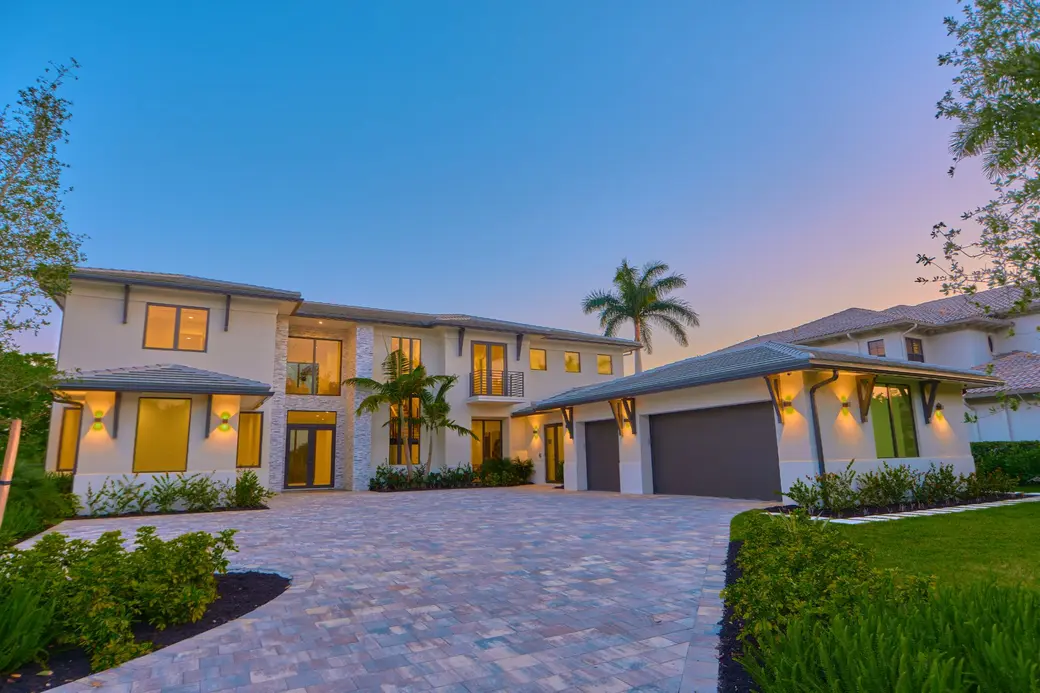
This fall, both of them have a good case. But the answer depends almost entirely on one thing: are you dealing with a house or a condo? Because right now in South Florida those are two completely different markets, and treating them the same is how people make expensive mistakes.
Here is where things actually stand as we head into the last months of the year.
Houses are still a seller's market. Condos are not.
Let me give you the numbers, because they tell the story better than I can.
In Miami-Dade, the median price for a single-family home in July was $685,000, up about 3.8 percent from a year ago. Broward was close behind at $650,000, up 4.8 percent. Both counties are sitting at under five months of supply for houses, which by any normal measure is still a seller's market.
Condos went the other direction. Miami-Dade condos had a median of $400,000, down 1.5 percent. Broward condos came in at $255,000, down 3.8 percent. And supply is the real headline there: 12 months of inventory in Miami-Dade, 10 months in Broward. That is a buyer's market, and not by a small margin.
Same county. Same month. Two opposite situations.
Why the condo side is soft
If you follow this market you already know the answer, but let me say it plainly for anyone shopping from out of state or from abroad.
Florida condo associations are still working through the reserve funding and milestone inspection requirements that came after Surfside. A lot of buildings have had to raise monthly fees, and some have passed special assessments that run into real money. Buyers see that on the estoppel and they walk, or they negotiate hard.
That is why condos are taking 86 days to go under contract while houses in Broward are taking 34. And in Miami-Dade it is why condo sellers received about 93 percent of their original asking price while house sellers received 96 percent.
I want to be clear that this is not the whole condo market. Well-run buildings with funded reserves and a clean inspection history are still moving. The problem is concentrated in older buildings that deferred maintenance for years. If you are buying, that is the difference you have to look for, and it is not always obvious from the listing.
Inventory is tighter than it looks
Here is the part that surprises people. Active listings in Miami-Dade are down 15 percent from last year. In Broward they are down almost 19 percent, and single-family inventory specifically is down 25 percent.
So while everyone talks about a slowdown, the actual number of homes available to buy has shrunk quite a lot. Sales have been rising in Miami-Dade for eleven months straight now. Broward has been up five months in a row.
For a buyer this means the good houses in the good neighborhoods are still getting attention. You are not walking into a market where you can lowball everything and wait. You have more room than you did in 2022, but not unlimited room.

Rates are moving in the right direction, slowly
The 30-year fixed averaged 6.65 percent in the third week of August, down slightly for two weeks in a row. That is roughly where it was a year ago, so nobody should be holding their breath for a dramatic drop.
What I tell my clients is this. If prices in your target area keep rising while you wait for a better rate, the waiting can cost you more than it saves. Nobody can promise where prices or rates go next, but a rate can potentially be refinanced later if the market allows it, and the purchase price is fixed the day you sign.
The condo side is different. There, prices have come down over the last year, so buyers who waited generally have more to work with today than they did.
Insurance is finally giving people a break
This one deserves more attention than it gets. In January, Citizens filed an average statewide rate reduction of 8.7 percent for 2026, and South Florida did better than the average. Miami-Dade was approved for around 14 percent average reductions and Broward around 14.1 percent. Several private carriers filed decreases too, including Florida Peninsula at 8.2 percent and Security First at 8 percent.
In my own deals, insurance cost was one of the most common reasons a contract fell apart over the last few years. It is not solved, but it is no longer the automatic deal killer it was. If you looked at a home in 2024 and the insurance quote scared you off, it is worth running the numbers again. Keep in mind that a filed or approved reduction is an average, so your own renewal may look different.
The luxury and international side
Sales over $1 million in Miami-Dade rose 15.5 percent year over year. South Florida is still averaging roughly one $10 million sale a day and remains the top ultra-luxury market in the country.
Cash is a big part of this. About 35 percent of closed sales in Miami-Dade and about 34 percent in Broward were cash, and for condos it was closer to half in both counties. That tells you a lot of the buying is coming from people who are not rate sensitive at all, whether that is domestic migration from high-tax states or international buyers.
If you are buying with cash, this matters in a practical way. Cash offers still carry real weight here, and in the condo segment especially you have negotiating room right now that did not exist two years ago.
What I would do this fall
If you are selling a house. You are in a good position, but price it correctly from day one. Homes that sit get discounted. That 96 percent of original list price is a countywide figure and plenty of sellers landed below it. In my experience the ones who land below it are usually the ones who started too high and chased the market down.
If you are selling a condo. Be realistic and be prepared. Have your association documents, reserve study and inspection status ready before you list. Buyers are asking, and a seller who has clean answers gets a much better outcome than one who does not.
If you are buying a house. Get your financing sorted before you shop. Inventory is down and the well-priced homes still see competition. Reprice your insurance if you gave up on this market a year or two ago.
If you are buying a condo. This is your window, but do your homework on the building, not just the unit. A cheap unit in a building facing a large special assessment is not a deal, and those assessments can run well beyond what the discount saves you. A fairly priced unit in a building with funded reserves is a much better buy.
Let's talk about your situation
Market averages are useful for context, but nobody buys or sells the average. Weston moves differently from Coral Gables, which moves differently from Pinecrest or Brickell, and your building or your street may not look anything like the county numbers.
If you are thinking about making a move this fall, I am happy to walk you through what is actually happening in your specific area and what your home would realistically sell for today. No pressure and no obligation.
Reach out through mariaguevarahomes.com or (954) 678-82-16 and let's set up a time to talk. Whether you are ready to move now or just gathering information for next year, it is worth having real numbers in front of you. Hablo espanol
Market data reflects July 2026 closed sales reported by MIAMI REALTORS for Miami-Dade and Broward counties. Mortgage rate figures from the Freddie Mac Primary Mortgage Market Survey, week of August 20, 2026. Insurance rate figures from the Florida Office of the Governor, January 2026. Individual results vary by neighborhood, property type and condition.
Categories
Recent Posts


"My job is to find and attract mastery-based agents to the office, protect the culture, and make sure everyone is happy! "